
printhead type
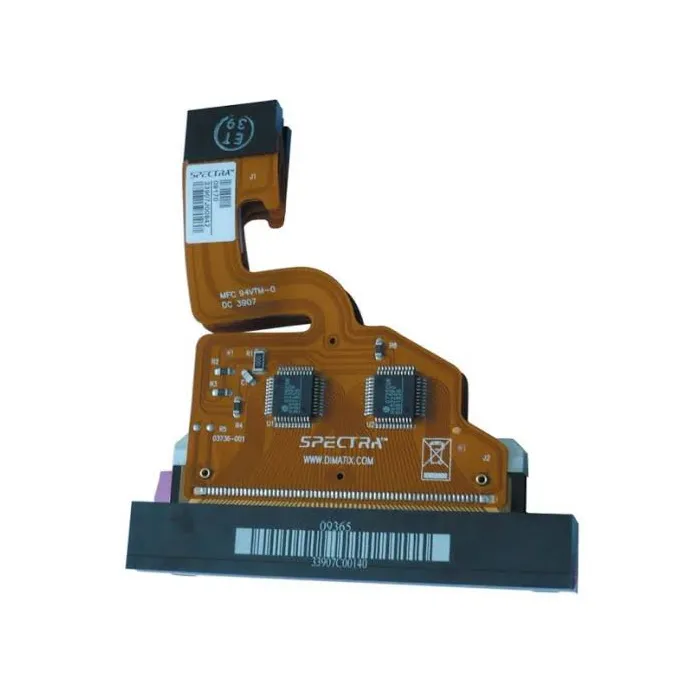
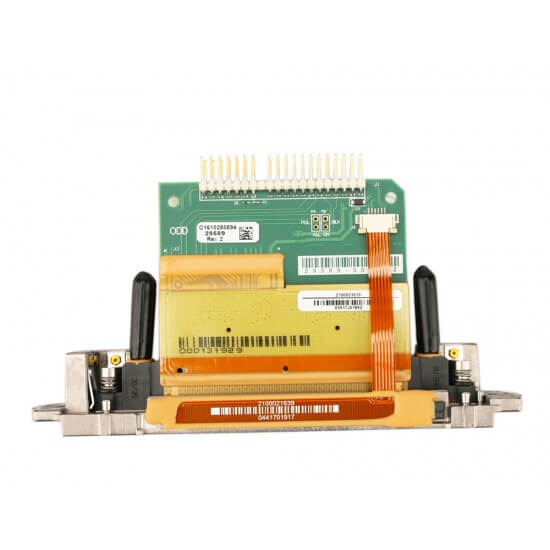
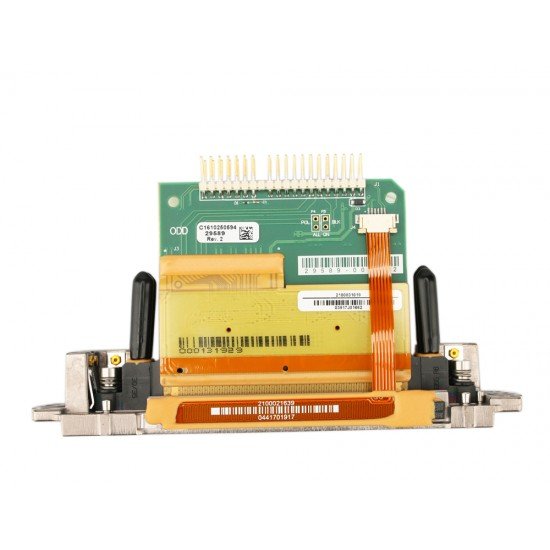
Spectra Polaris Printheads
Johope suppliers Spectra printheads PQ-512/15 or PQ-512/35 for industrial UV, solvent, ceramic, and coding & marking systems.
Confirm compatibility by printer model, part number, dimensions, connector, and ink chemistry before quotation.
Genuine Spectra Polaris printheads for industrial UV, solvent, ceramic, and coding & marking systems. Polaris PQ-512 for wide-format UV.
Browse the Fujifilm Dimatix printheads below, or search by your printer model or head designation (e.g., PQ-512/15 or PQ-512/35).
Matching products
3 products
FAQ
Are Fujifilm, Dimatix, and Spectra the same brand?
They belong to the same product lineage rather than being completely separate brands. Spectra was the original name associated with industrial inkjet printheads such as Galaxy, Nova, and Polaris. After Spectra was acquired by Dimatix and later became part of Fujifilm, the business evolved into Fujifilm Dimatix. As a result, older products may still carry the Spectra name, while newer generations are marketed under Fujifilm Dimatix, such as StarFire and Sapphire. When replacing an older Spectra head, use the original model and part number to identify the appropriate current equivalent.
Which Fujifilm Dimatix printhead family is right for my application?
The best choice depends on the printer platform, ink type, required resolution, and production speed. StarFire SG1024 is designed for high-speed industrial applications such as UV and ceramic printing. Polaris PQ-512 is widely used in UV and solvent systems where a balance of productivity and image quality is required. Galaxy JA and PH remain common in older industrial UV and solvent machines. Sapphire QS-256 and QSR256 target high-resolution industrial printing, while Spectra SL-128 and SM-128 are suited to lower-volume applications such as coding and marking. Always confirm compatibility with the specific printer model before selecting a replacement.
How do I read the Spectra printhead naming convention, such as 256/80 AAA or 512/35 AAA?
Spectra model names often indicate the nozzle count and nominal drop volume, followed by the generation or configuration code. For example, 512/35 refers to 512 nozzles with a 35 pl drop, while 256/80 indicates 256 nozzles with an 80 pl drop. Smaller drops, such as 15 or 30 pl, generally provide finer detail, while larger drops such as 50, 80, or 85 pl deliver greater ink coverage and are better suited to applications requiring heavier ink deposition.