
printhead type
Seiko Printheads
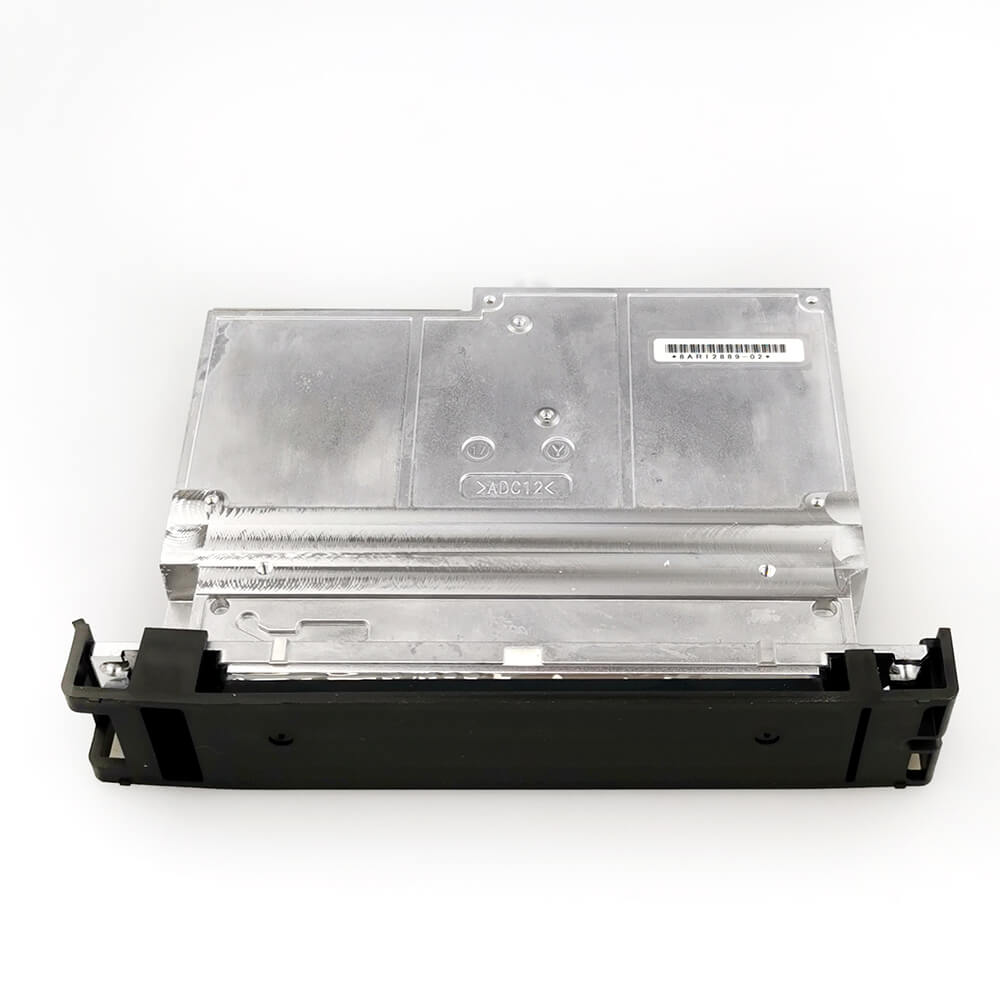
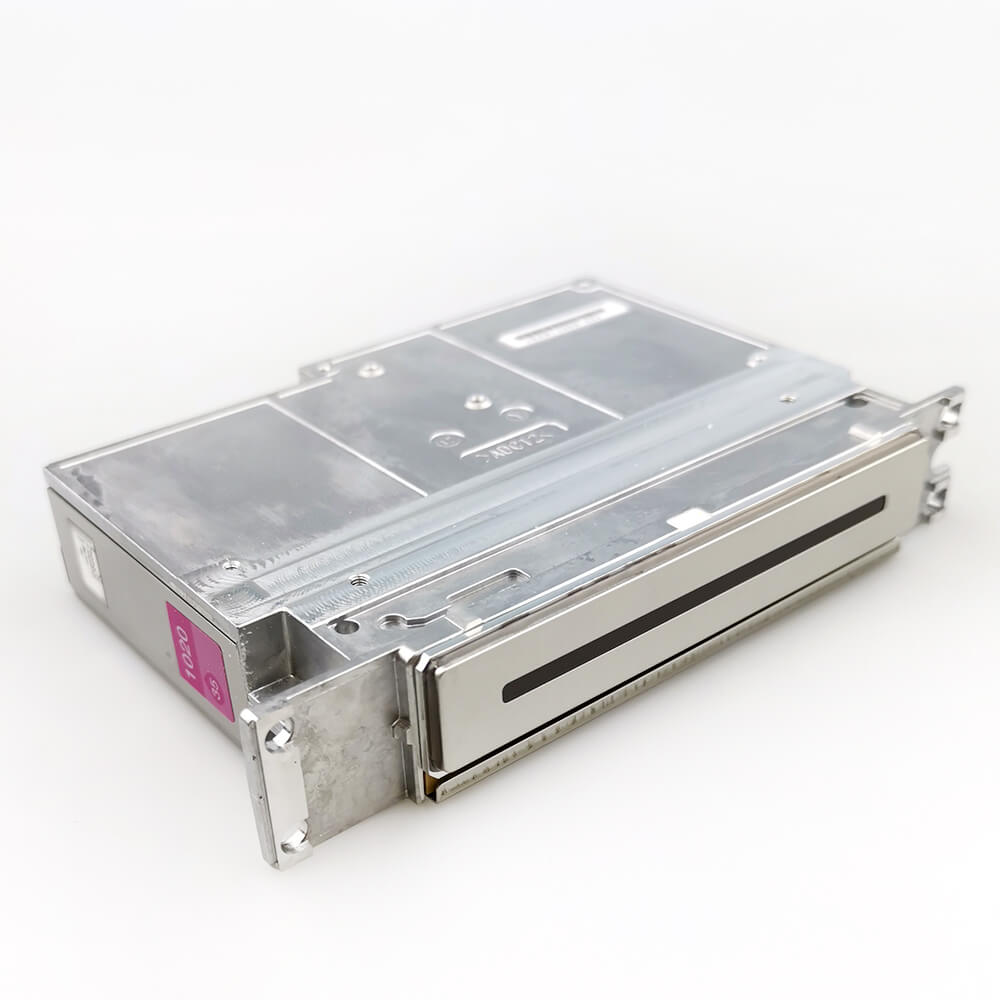
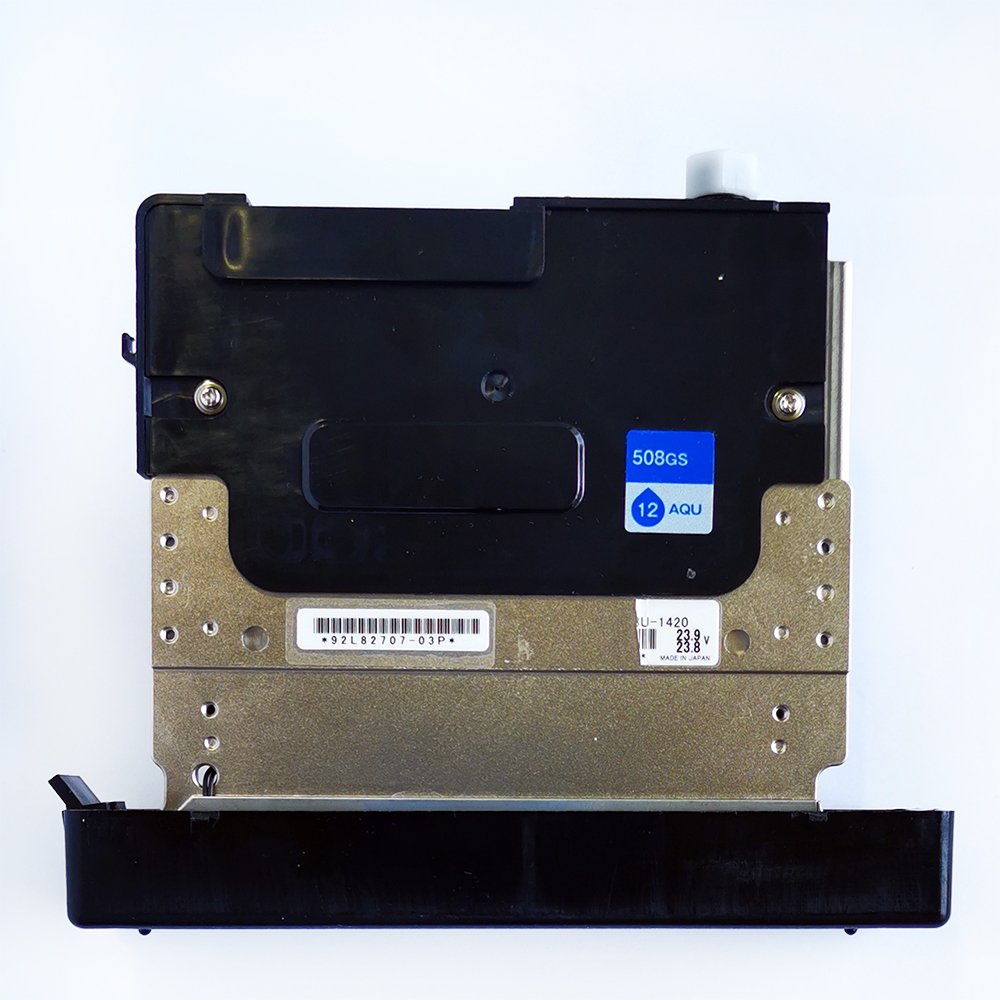
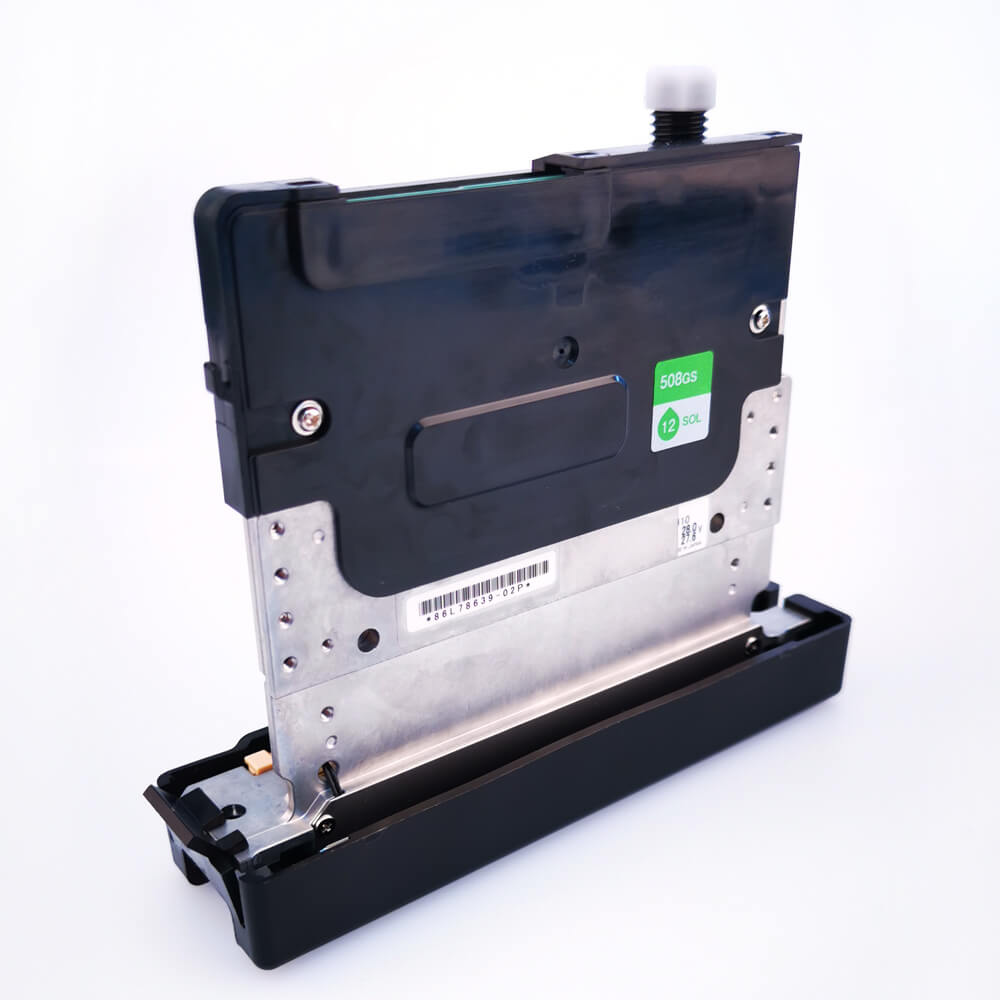
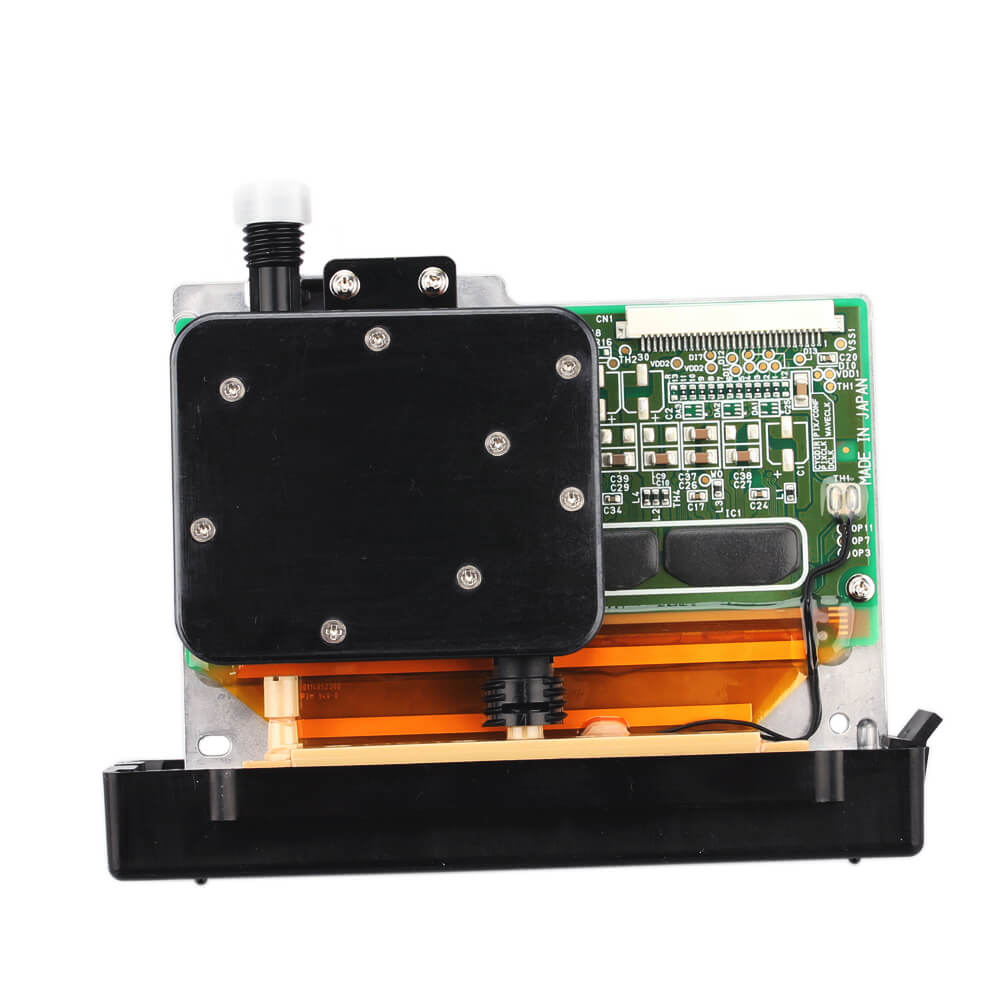
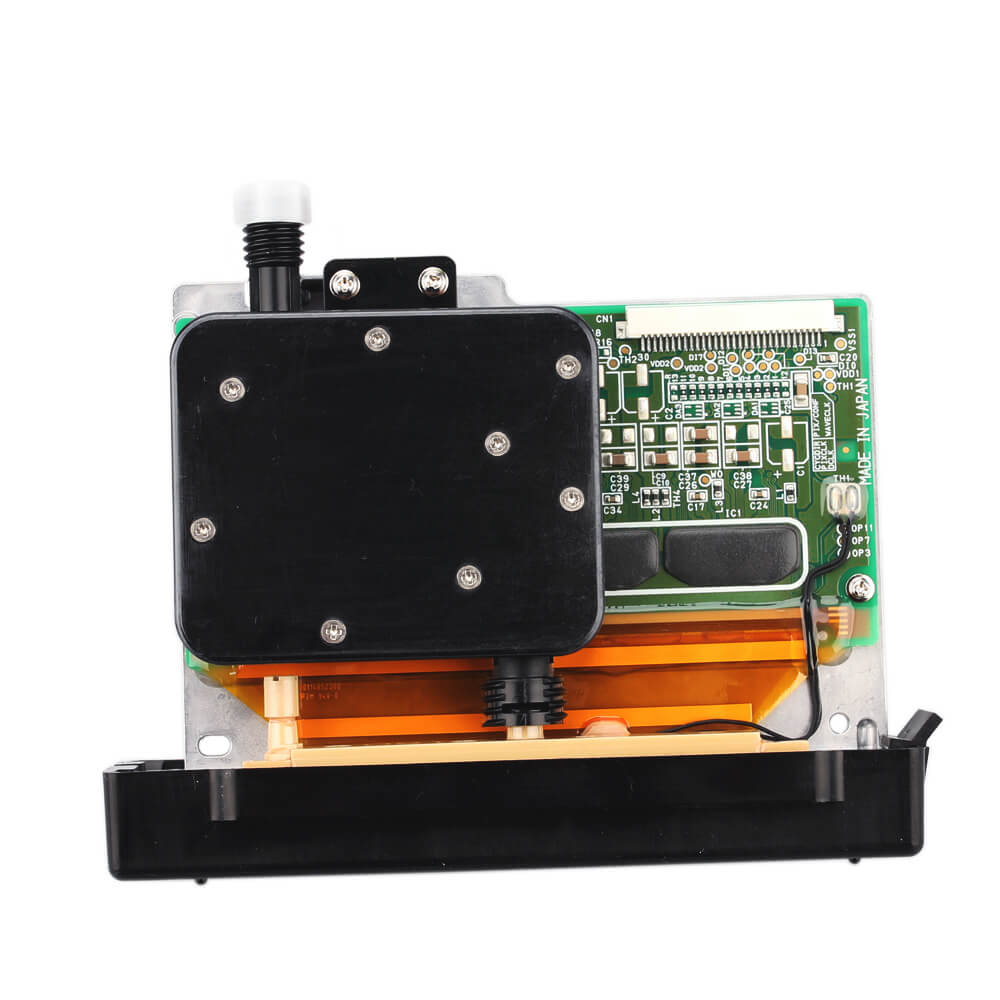
Seiko printheads for various printers, including Seiko spt510/35pl, spt510/50pl, and SPT 508GS. Browse by printer model or printhead part number.
Confirm compatibility by printer model, part number, dimensions, connector, and ink chemistry before quotation.
Discover our range of Seiko printheads designed for versatile industrial inkjet applications, including textile printing, coding & marking, corrugated cardboard, pharmaceuticals, and more. They are compatible with a variety of ink types, including aqueous, UV, solvent, and oil-based inks, making them suitable for different printing processes and production requirements.
Our selection includes popular models such as the Seiko SPT-1020 35pl (IRH2536Q-2010), 508GS 12pl (IRH2533), and 510 50pl (IRH1513U-3522).
Browse the Seiko printheads below, or search by your printer model or printhead part number to find the right printhead for your industrial inkjet system.
Matching products
6 products
FAQ
What is the difference between Seiko SPT510 and SPT1020 printheads?
The SPT1020 is essentially a higher-resolution version of the SPT510 design. It combines two SPT510-35PL printheads, increasing the nozzle count from 510 to 1,020 and the native resolution from 180 to 360 npi, while retaining a 35 pl drop size and 72 mm print width. This makes SPT1020 better suited to applications requiring higher coverage and finer output.
What is the difference between Seiko 510-35PL and 510-50PL?
Both models have 510 nozzles, a print width of about 72 mm, and support oil-, UV-, and solvent-based inks. The main difference is drop volume and firing frequency: the 510-35PL uses a 35 pl drop at up to 8.29 kHz, while the 510-50PL uses a larger 50 pl drop at 6 kHz. The 50 pl version is better suited to applications where higher ink deposition and production output are more important than fine detail.
What does “RC” mean in Seiko printheads?
“RC” stands for “Recirculation.” Seiko RC printheads use continuous ink circulation through the head to maintain more stable ink flow and help reduce problems caused by pigment settling, air, or nozzle clogging. This design is particularly useful for demanding industrial printing applications where consistent jetting is required during long production runs.
What are the advantages of Seiko printheads with ink recirculation?
An ink recirculation system keeps ink moving inside the printhead instead of allowing it to remain stagnant in the channels. This helps reduce sedimentation and supports more consistent ink delivery to the nozzles, which can improve long-run printing stability and reduce the risk of clogging. The SPT510 series, for example, uses an internal recirculation system to support stable ink flow and long-term reliability.